 ultimate-guide
Electrical Safety Standards for Renovations: A Complete Guide
Last Updated: November 1, 2026
Quick Summary
Electrical safety standards for renovations require that any work on fixed wiring is carried out by a competent person, and existing installations should be inspected before major alterations begin. In England and Wales, notifiable work under Part P must be notified to a building control body before work starts, and an EICR is good practice before a major renovation.
- Part P governs electrical safety in dwellings in England and Wales, while Scotland follows Scottish building standards instead.
- Notifiable work generally includes installing a new circuit, replacing a consumer unit, and work in kitchens, bathrooms and outdoor spaces.
- An EICR is a formal inspection and test of fixed wiring that identifies dangerous or potentially dangerous defects.
- An EIC is issued for new installation work, a new circuit or a full rewire, and confirms the work meets BS 7671.
- Agree cable routes and safe zones in writing before first fix, and keep temporary supplies on RCD-protected outlets.
Table of Contents
- Why Electrical Safety Standards Matter During Renovation
- Part P Building Regulations and Notifiable Electrical Work
- Hiring a Competent Electrician and the Competent Person Scheme
- Electrical Installation Condition Report (EICR): When You Need One
- The Electrical Installation Certificate and Handover Paperwork
- Rewiring a House During Renovation: Decision Points and Older Wiring
- Stage-by-Stage Compliance Checklist and Coordinating Trades Safely
- Getting Your Renovation Electrics Assessed and Certified
- Frequently Asked Questions
Why Electrical Safety Standards Matter During Renovation
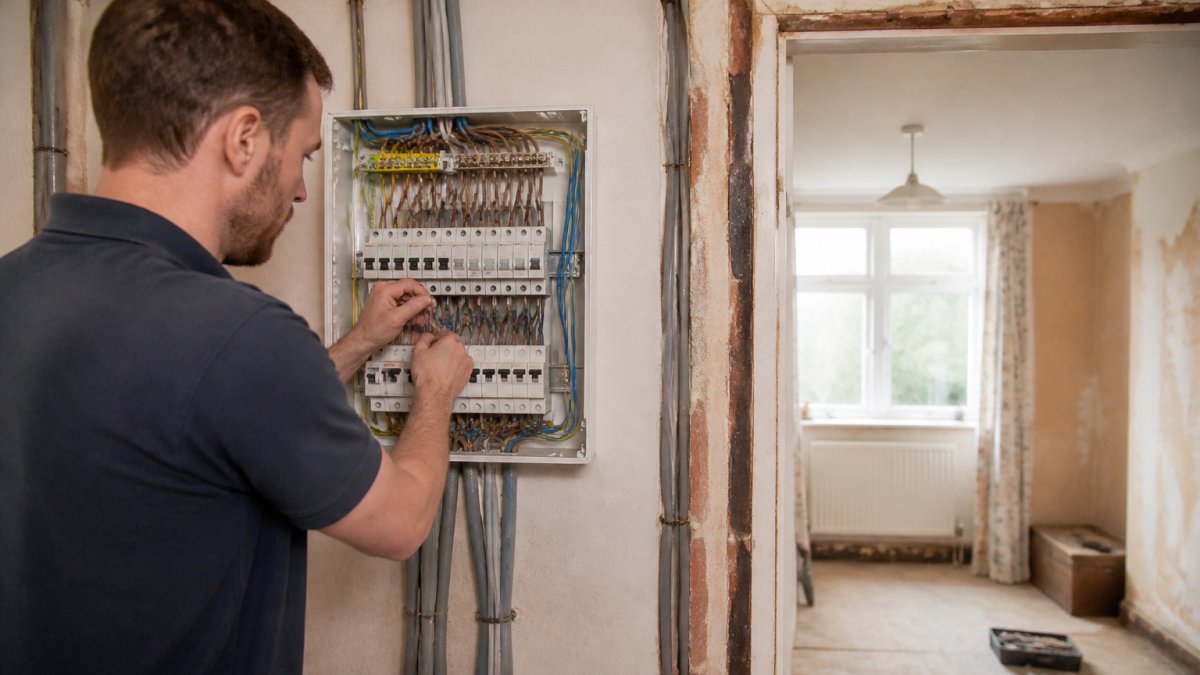
Electrical safety standards for renovations exist because building work is the moment when hidden faults become dangerous ones. A kitchen comes out, the old wiring is exposed, and what looked fine behind plaster can turn out to be degraded rubber cable with no earth continuity. Renovation is when those defects get found, and when they must be put right.
The stakes are straightforward. Faulty or ageing electrics are a leading cause of domestic fires, and electric shock risk rises sharply when circuits are disturbed, extended or overloaded by new appliances. The Electrical Safety First guidance on home renovation safety sets out the core principle clearly: any work on the fixed wiring should be carried out by a competent person, and existing installations should be inspected before major alterations begin.
That single rule governs everything that follows in this guide. Below, we break down Part P, notifiable work, EICRs, certificates and the stage-by-stage decisions that keep a renovation compliant and safe.
The risks hiding in older properties
Older properties carry the highest risk because their wiring was designed for a different era of demand. A house wired decades ago was never intended to carry modern kitchen loads, heat pumps, EV chargers or the socket count a family now expects. Older installations can show problems such as perished rubber insulation, undersized earthing, fuse boards with no RCD protection, and sockets added informally by previous owners.
A common mistake is treating "it works" as evidence of safety. It isn't. Circuits can function perfectly while carrying no adequate earth or protection against earth leakage. For practical guidance on modernising electrical systems in period properties, read our dedicated guide.
Part P Building Regulations and Notifiable Electrical Work
Electrical safety in dwellings in England and Wales is governed by Part P of the Building Regulations, and certain electrical work must be notified to a building control body. The notification route is not the same across the UK's nations, so confirm which rules apply where the property sits before work begins.
How the requirements differ across the nations
- England and Wales. Part P applies to domestic electrical work. Notifiable work must be notified to a building control body before the work starts.
- Scotland. Electrical work in dwellings is governed by Scottish building standards rather than Part P, and the notification and certification routes differ from those in England and Wales.
What counts as notifiable work
Notifiable work generally includes installing a new circuit, replacing a consumer unit, and work in special locations such as kitchens, bathrooms and outdoor spaces. Non-notifiable work still has to be safe and compliant with BS 7671.
One practical approach is to use a registered competent person, who can self-certify notifiable work under the relevant scheme. Where the work is notifiable and you do not use a registered scheme member, building control must be notified in advance, and an associated inspection fee may apply.
The notification decision in practice
Before work starts, agree in writing with your electrician:
- Which items of work are notifiable and which are not
- Who will notify building control, and when
- Which certificate will be issued at handover (EIC, minor works, or a building control completion certificate)
- Who retains the copies, and how they will be passed to you
Getting these four points settled before first fix is what separates a smooth handover from a sale that stalls years later because the paper trail is incomplete.
Hiring a Competent Electrician and the Competent Person Scheme
The Competent Person Scheme allows registered electricians to self-certify certain electrical work. Registration is one way a homeowner or landlord can check an electrician's competence.
When comparing electricians, check the registration body directly rather than accepting a logo on a van. If you want to understand what NAPIT approval means for electricians, our guide explains it. Project Rewire is a NAPIT-approved contractor.
A practical checklist before you appoint anyone:
- Confirm current registration with the scheme body, not just a certificate photo
- Ask who will issue the certificate and which scheme it comes under
- Get the scope of work in writing, including what is and isn't included
- Confirm public liability insurance is in place
- Ask how they will handle building control notification
Electrical Installation Condition Report (EICR): When You Need One
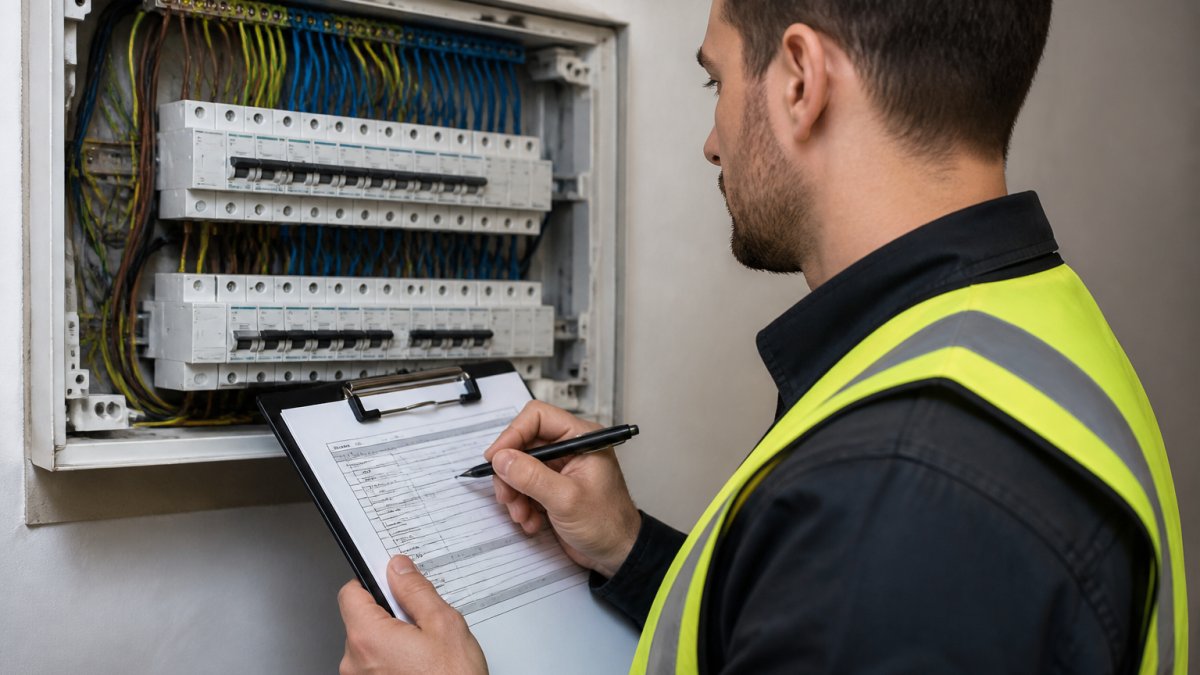
An Electrical Installation Condition Report (EICR) is a formal inspection and test of the fixed wiring that records the condition of the installation and identifies any dangerous or potentially dangerous defects. It is the standard way to establish whether existing electrics are safe before, during or after renovation.
Landlords in the private rented sector have legal obligations for electrical safety inspection and reporting, and should check the current requirements for their property. The government guidance on electrical safety standards in the private rented sector sets out the landlord obligations in full.
For homeowners, an EICR before a major renovation is simply good practice. It tells you what you're working with before walls come down. If you're arranging one, find out how long an EICR takes and what to expect.
The Electrical Installation Certificate and Handover Paperwork
An Electrical Installation Certificate (EIC) is the certificate issued for new installation work, a new circuit or a full rewire. It records the design, construction, inspection and testing of the work and confirms it meets BS 7671, the wiring regulations.
Keep every certificate. They matter at property sale, at letting, for insurance claims and for any future electrician who needs to understand what was installed and when. A missing paper trail is one of the most common reasons a sale stalls or a landlord fails a compliance check.
Rewiring a House During Renovation: Decision Points and Older Wiring
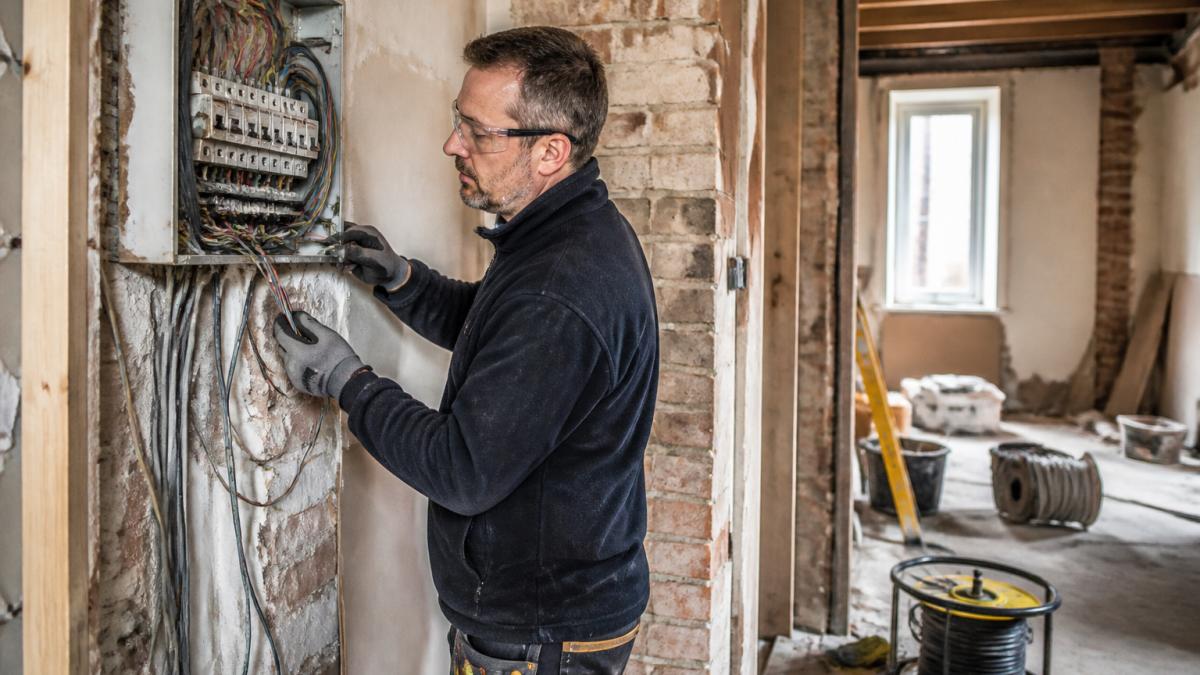
The decision to rewire is best made early, while the property is already open. Patch rewiring around new kitchens and bathrooms is false economy: if the underlying cable is at end of life, you will pay twice. The full sequence, from first fix to certification, is set out in our guide to the domestic electrical rewiring process.
Three decision points matter most:
- Consumer unit replacement. If the existing board has no RCD protection or obsolete components, replacement should be planned at the start, not retrofitted later.
- Circuit design for new loads. Kitchens, EV charging and heating changes all affect cable sizing and circuit allocation. Decide before first fix.
- Continuity of supply. Plan temporary power so trades aren't working in the dark.
RCDs, AFDDs, earthing and bonding explained
An RCD (residual current device) is a protective device that disconnects a circuit when it detects earth leakage, reducing the risk of fatal electric shock. Modern boards include RCD protection on the circuits that need it.
An AFDD (arc fault detection device) detects dangerous arc faults, the type of fault that can start a fire inside cable or at a loose connection. Confirm with your electrician at design stage whether AFDD protection is required for your installation.
Earthing and bonding provide the low-resistance path that lets protective devices operate and keeps exposed metalwork safe. Main protective bonding to incoming services is a specific requirement that should be checked, particularly in older properties.
Stage-by-Stage Compliance Checklist and Coordinating Trades Safely
Compliance is easiest when it's sequenced, not bolted on at the end. Use this as a project-stage checklist:
| Stage | Action | Who signs off |
|---|---|---|
| Before work starts | Commission an EICR; confirm scope and notification route | Registered electrician |
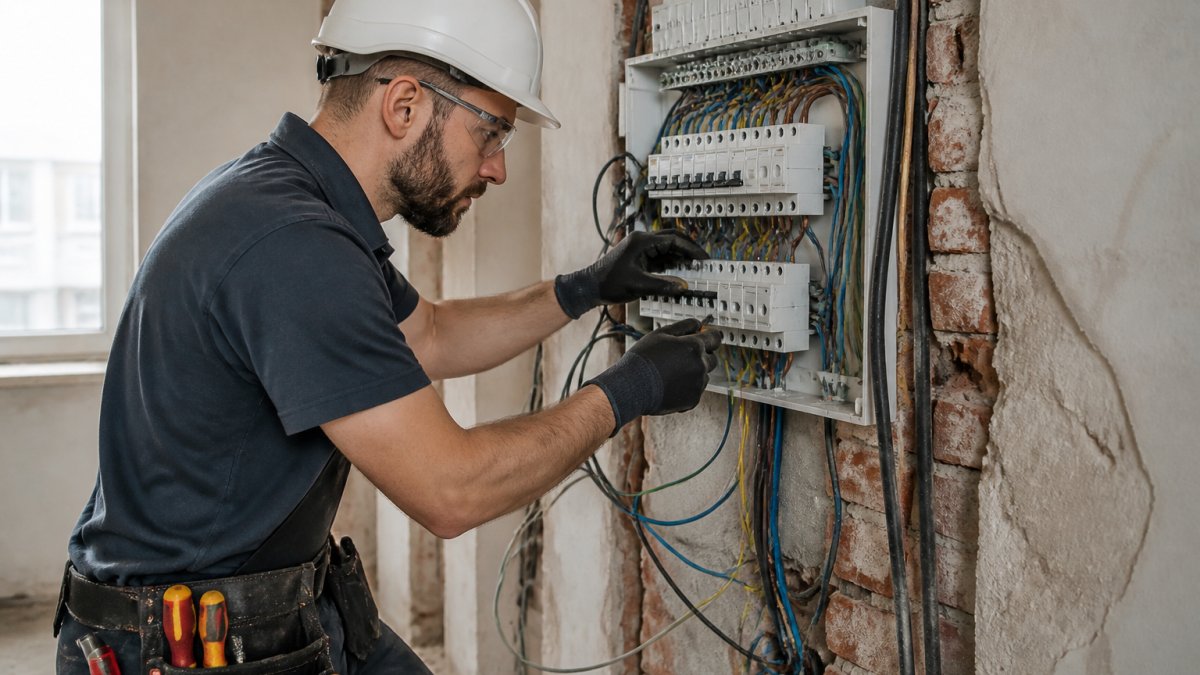
| Strip-out | Isolate and lock off; remove redundant cable safely | Electrician |
| First fix | Route cable, install back boxes, confirm circuit design | Electrician |
| Temporary power | Agree a safe supply for other trades; no daisy-chained extension leads | Electrician and site lead |
| Second fix | Fit accessories, consumer unit, protective devices | Electrician |
| Testing | Inspect and test; record results | Electrician |
| Handover | Issue EIC or minor works certificate; notify building control if required | Electrician or scheme |
Watch out: the most common failure on a busy site is other trades pulling cables or drilling through a live circuit. Agree cable routes and safe zones in writing before first fix, and keep temporary supplies on RCD-protected outlets.
Getting Your Renovation Electrics Assessed and Certified
Certification closes the loop. Once testing is complete, you should receive the appropriate certificate and a schedule of test results. Without those documents, the work is unproven regardless of how neatly it was installed.
If you're at the point of pricing the work, you can get a quote directly from Project Rewire.
Renovation electrics go wrong when safety is treated as a final inspection rather than a design decision. If you're planning work on an older property across Glasgow, Renfrewshire or Ayrshire, Project Rewire can assess the existing installation and advise on rewiring. As a NAPIT-approved contractor with a 10-year guarantee on rewiring jobs, our team handles domestic rewiring. Get started with Project Rewire and put your renovation on a compliant footing from day one.
Frequently Asked Questions
What electrical regulations apply when renovating a home?
All domestic electrical work should follow BS 7671, the wiring regulations, covering cable sizing, earthing, bonding and protective devices. Notifiable work must be notified to building control, and confirming the applicable rules for the property's location is essential before work begins.
What electrical work is notifiable under Part P?
Notifiable work generally includes installing a new circuit, replacing a consumer unit, and any work in special locations such as bathrooms, kitchens and outdoors. Confirm the scope with your electrician before work begins so certification is arranged correctly.
Do I need an electrical certificate after renovation work?
Yes. Any new circuit, consumer unit replacement or alteration should be backed by an electrical installation certificate or a minor works certificate, depending on the scope. These documents record test results and confirm the work meets BS 7671. Keep them with your property paperwork: buyers, solicitors and landlords often ask for them, and they prove the work was done to standard rather than patched together.
How can I tell whether a renovation needs a full rewire?
Warning signs include old rubber or fabric-covered cables, a fuse box with rewireable fuses, round pin sockets, and no earthing at light fittings. Flickering lights, warm sockets and tripping circuits also point to deteriorating wiring. An EICR gives a definitive answer, grading the installation and flagging any danger. For a 1960s property with original wiring, a full rewire is often the safer and cheaper long-term route.
When should an electrician inspect wiring during a renovation?
Bring an electrician in at the planning stage, before walls are opened or plasterboard goes up. An early inspection identifies whether existing wiring can be reused or needs replacing, and it lets first-fix cabling be scheduled around other trades. A second visit covers second fix, testing and certification. Leaving electrical checks until the end of a project usually means rework and extra cost.
Can I do electrical work myself during a renovation?
Some minor work may be legally permitted, but it must still comply with BS 7671 and be properly tested. Notifiable work must be notified to building control. In practice, DIY electrics carry real risk of shock, fire and invalidated home insurance, and unproven work can stall a property sale. For anything beyond swapping a fitting, use a qualified electrician.