 blog
House Rewire and New Consumer Unit: What to Check First
Last Updated: November 13, 2026
Quick Summary
A house rewire is needed when the existing cables are old, damaged or overloaded, and a consumer unit upgrade alone is not enough. An electrician should test the wiring first, through an EICR, before deciding whether to upgrade, repair or rewire.
- A new consumer unit cannot fix damaged, overloaded or poorly earthed cables.
- Warning signs include a fuse box, rubber or fabric-insulated cables and scorch marks around sockets.
- An EICR tests insulation resistance, earthing, bonding and protective devices.
- C1 or C2 observations on the wiring usually mean affected circuits need replacing.
- Remedial decorating and making good may not be included in electrical quotes.
Table of Contents
- Signs a House Needs Rewiring
- How an EICR Test Shapes the Decision
- A Decision Guide: Rewire, Upgrade or Repair
- House Rewire Cost: What Changes the Price
- How Long a House Rewire Takes and What to Expect
- Booking Your Assessment and Certification With Project Rewire
- Frequently Asked Questions
Many homeowners in Glasgow, Renfrewshire and Ayrshire ask whether a new consumer unit can be fitted without rewiring the whole house. In many cases it can, but only once the existing wiring has been checked and found safe to keep. If the wiring is unsafe or too deteriorated to retain, replacing the consumer unit alone will not resolve the underlying problem, so a whole-house rewiring guide can help frame the next steps.
A consumer unit upgrade swaps the fuse box or old board for a modern unit with RCD protection and individual circuit breakers. The existing cables, sockets and light fittings stay in place.
The catch is that a new board can only protect what is connected to it. If the cables are damaged, overloaded or lack proper earthing, a new consumer unit will not fix those faults. An electrician should inspect and test the circuits first, then decide whether an upgrade alone is safe.
Signs a House Needs Rewiring
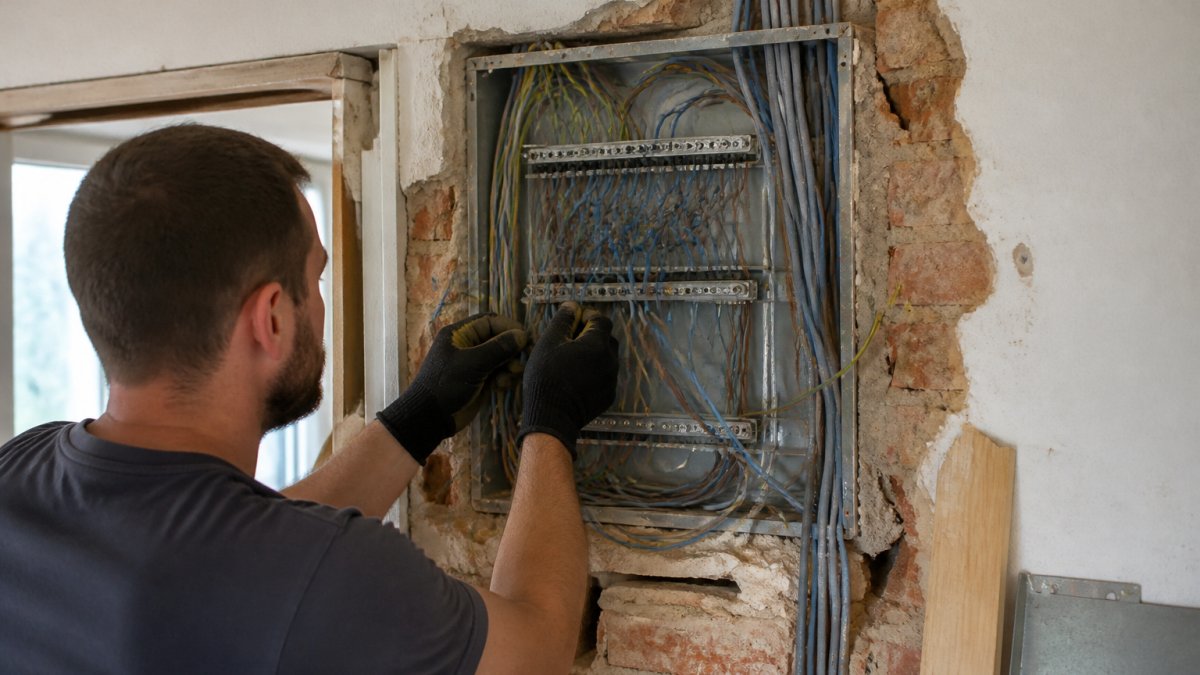
A house may need rewiring when the wiring itself is old, damaged or no longer suitable for modern loads. Common warning signs include a fuse box rather than a consumer unit, rubber or fabric-insulated cables, and scorch marks around sockets or switches.
Other signs are flickering lights, sockets that feel warm, circuit breakers that trip often and a burning smell from the fuse board. Homes with few sockets and heavy reliance on extension leads may also have overloaded circuits that need redesigning.
Age matters too. Older properties were wired to standards that no longer meet current requirements, so the cables may lack the protection expected today. A visual check can flag obvious problems, but it cannot confirm the condition of cables hidden inside walls and ceilings.
How an EICR Test Shapes the Decision
An Electrical Installation Condition Report, or EICR, is a formal inspection and test of the fixed wiring in a property (Electrical safety standards in the private and social rented sectors: guidance). An electrician tests insulation resistance, earthing, bonding and protective devices, then records any faults using standard classification codes.
The report shows whether the installation is safe to keep in use, and what needs fixing.
Landlords in particular rely on EICRs for rental properties (Electrical safety standards in the private and social rented sectors: guidance). A visual inspection alone can miss faults hidden behind plaster, so a full test is the way to judge the wiring.
A Decision Guide: Rewire, Upgrade or Repair
Use this guide once the wiring has been assessed and you have the EICR in hand. The table narrows the options, and the notes below explain how to read the results. If you are weighing up an upgrade in particular, see the benefits of upgrading your home consumer unit.
| Situation | Likely Option | Why |
|---|---|---|
| Wiring sound, old fuse box | Consumer unit upgrade | Adds modern RCD and circuit protection |
| Wiring sound, few faults found | Targeted repair | Fixes specific faults without major disruption |
| Cables old, damaged or undersized | Full or partial rewire | Replaces the unsafe wiring itself |
| Frequent trips, overloaded circuits | Redesign and rewire | Matches circuits to current demand |
The EICR uses standard classification codes: C1 means danger present, C2 means potentially dangerous, C3 means improvement recommended, and FI means further investigation needed (Periodic Electrical Inspection & Testing to Domestic Properties). A report with only C3 observations often points to an upgrade or targeted repair. Any C1 or C2 observation on the wiring itself usually means the affected circuits need replacing, which may lead to a partial or full rewire rather than a board swap.
Where a home has an old fuse box and rubber-insulated cables, testing may reveal deteriorated insulation that a new consumer unit cannot fix, in which case a rewire is needed first. Where the wiring has passed testing, a consumer unit upgrade alone may be the right step.
If you are unsure which row applies, have the installation tested before committing to work.
House Rewire Cost: What Changes the Price
Several factors affect the cost of electrical work, including the age and construction of the property, the number of circuits and accessories, and access to the wiring routes. You can get a formal quote for a full house rewire once you know the scope of work. Remedial decorating and making good after chasing may not be included in electrical quotes, so it is worth budgeting for it separately.
When comparing quotes, check what is included, such as testing, certification or making good, and ask for the scope in writing. For current pricing, contact Project Rewire directly for a quote, as pricing depends on the property and the scope of work. For a detailed breakdown, read the full house rewire cost guide.
How Long a House Rewire Takes and What to Expect
The duration of a rewire depends on the property and how much access the work requires. To see the work itself step by step, read what a full house rewire actually involves.
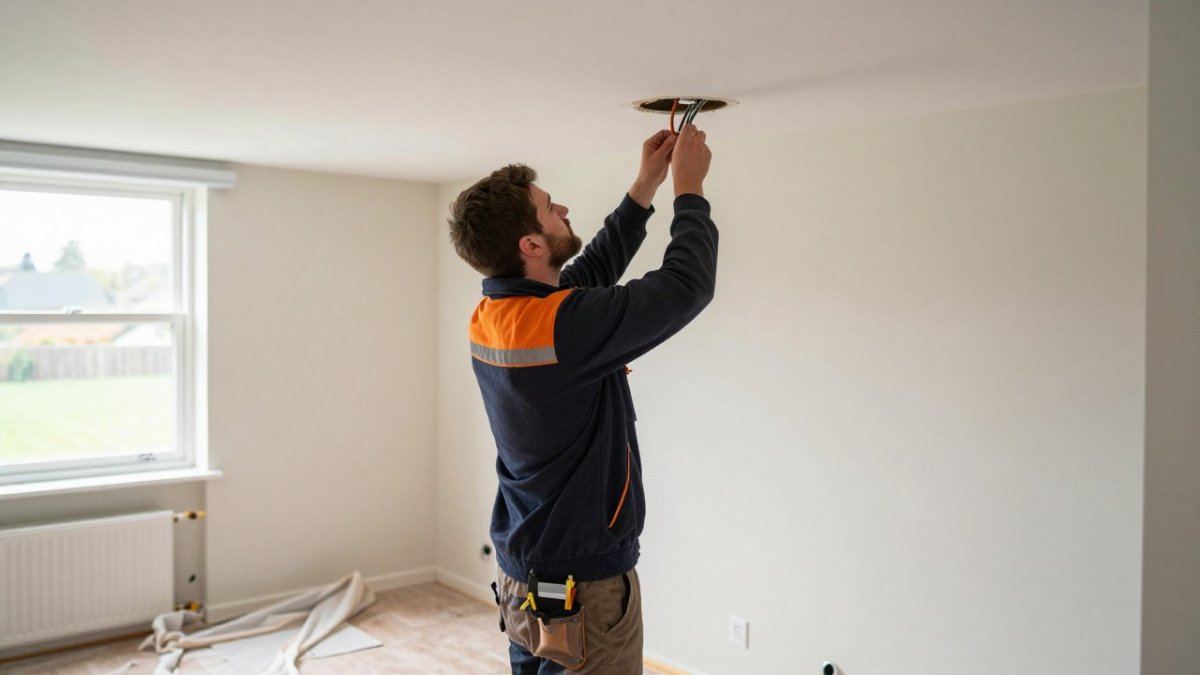
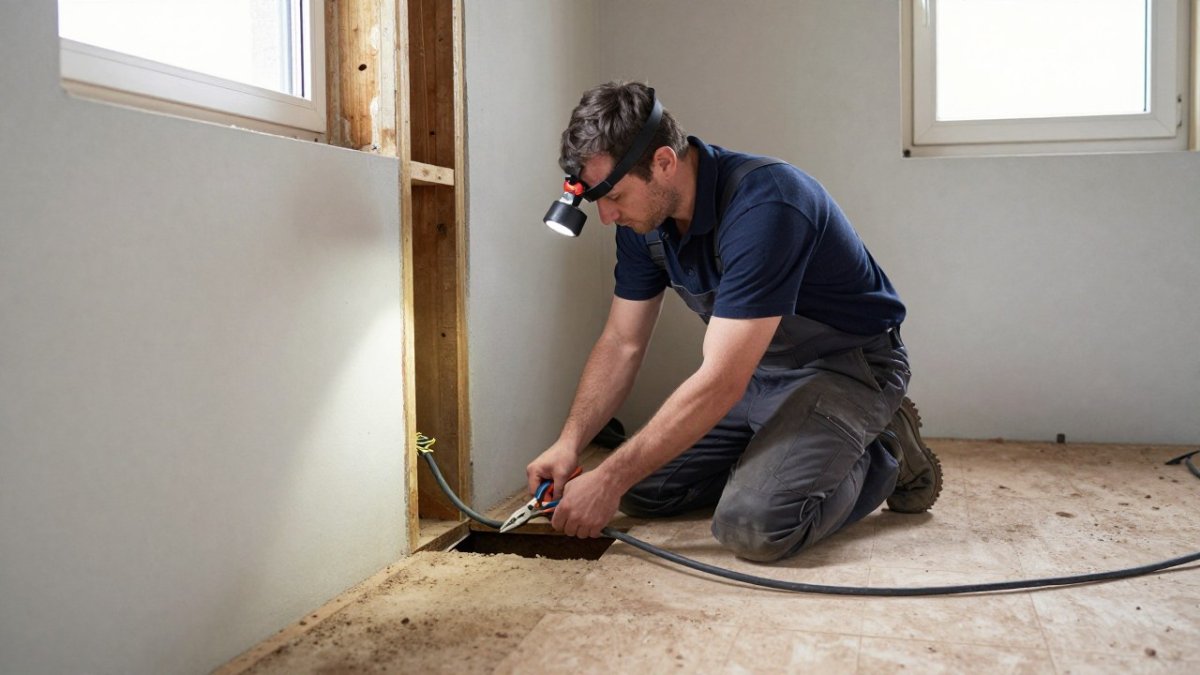
Expect some disruption. Floorboards may be lifted, plaster chased out and power switched off for periods while circuits are changed.
Booking Your Assessment and Certification With Project Rewire
Start with an assessment of your existing wiring. Project Rewire, a NAPIT-approved contractor with over a decade of experience, can inspect your installation and carry out the testing.
To book your assessment, contact Project Rewire today and ask for a quote.
Frequently Asked Questions
Do I need a new consumer unit when my house is rewired?
Usually yes. A rewire almost always involves new circuits, and the existing consumer unit is often not designed to protect them properly. A modern consumer unit with RCD protection is typically fitted as part of the same job, so the new circuits are protected correctly. Contact Project Rewire to discuss whether your existing board needs replacing. Pricing depends on the property and the scope of work, so contact Project Rewire directly for a quote.
Can I replace a consumer unit without rewiring the whole house?
In many cases, yes. If the existing cables are in sound condition, have adequate current-carrying capacity and are correctly earthed and bonded, a consumer unit can be replaced without a full rewire. The electrician will first test the circuits, including insulation resistance and earth continuity, and check for signs of overheating or damage. If the wiring fails these checks, a partial or full rewire may be the safer option. A proper inspection is the only reliable way to tell.
How do I know if my house needs a full rewire?
The main indicators are the age of the wiring, the type of cable used (rubber or lead-sheathed insulation is a strong sign of outdated wiring), frequent blown fuses or tripping breakers, scorch marks around sockets, flickering lights and a lack of earthing. An EICR will give a clear assessment of whether the installation is satisfactory or needs remedial work or replacement. Visual checks alone cannot confirm the condition of cables hidden inside walls, which is why testing matters.
How long does a full house rewire take?
The duration depends on the size of the property, how accessible the wiring routes are and how much making good is required. A typical three-bedroom home may take several days to a couple of weeks, while larger or older properties with plaster walls can take longer. Ask for a clear schedule when you request a quote so you can plan around the work.