 how-to
Full House Rewire Cost: A 2026 Guide
Table of Contents
- What Determines Full House Rewire Costs
- Cost to Rewire a 3-Bedroom House
- Signs a House Needs Rewiring
- What Is Included in a House Rewire
- How Long Does It Take to Rewire a House
- Living in Your Home During Rewiring Work
- Getting an Accurate Quote for Your Rewire
- Frequently Asked Questions
Last Updated: 18 October 2026
What Determines Full House Rewire Costs
The cost to rewire a full house depends on several interconnected factors. No two properties are identical, and neither are their rewiring needs. Understanding what drives the price helps you budget realistically and avoid nasty surprises halfway through the project.
The main variables are property size, age, and condition. A Victorian terraced house with original wiring presents different challenges than a 1970s semi. Current electrical demand also matters. Modern homes need far more capacity than older properties were designed for. Adding circuits for EV chargers, underfloor heating, or modern kitchen appliances increases the scope significantly.
Labour costs vary by region and contractor experience. A NAPIT-approved electrician brings specialist knowledge that justifies their rates. The complexity of your property's layout, whether walls are solid or cavity, and access difficulties all influence the final bill.
Permits and compliance testing add to the total. Your electrician must obtain building control approval and conduct rigorous testing before sign-off. This protects you legally and ensures your home meets current safety standards.
Key factors affecting price:
- Property age and original wiring type
- Total floor area and number of circuits needed
- Accessibility of existing wiring routes
- Whether walls require opening or chasing
- Additional work like adding new circuits or sockets
- Testing, certification, and building control fees
At Project Rewire, we assess each property individually because a standardised quote would miss critical details specific to your home.
Cost to Rewire a 3-Bedroom House
A 3-bedroom house typically requires a full house rewire cost that reflects its moderate size and the work involved. This property type represents a common scenario for many homeowners deciding whether rewiring is worth the investment.
The scope usually includes rewiring the entire property from the consumer unit outwards. This means replacing all cables in walls, installing new sockets and switches, and upgrading the main electrical unit if needed. A 3-bedroom house typically has a number of circuits depending on modern standards and your specific needs.
Several variables change the final figure. A 1960s semi with original wiring takes longer than a 1980s property where partial updates may already exist. If you're also upgrading to a modern consumer unit, installing additional circuits for heating or an EV charger, or adding decorative lighting, costs increase accordingly.
The timeframe matters too. Rewiring usually takes a number of working days for a 3-bedroom property, though this varies with complexity. Longer projects mean higher labour costs.
Typical scope for a 3-bedroom rewire:
- Consumer unit replacement and upgrade
- All internal cabling replaced to current standards
- New socket and switch installations throughout
- Testing and building control certification
- Disposal of old materials
Many homeowners find that tackling a full house rewire cost upfront saves money compared to piecemeal repairs over years. One catastrophic failure can cost more than prevention.
Signs a House Needs Rewiring
Your home sends clear warning signals when its electrical system is failing. Recognising these signs early prevents dangerous situations and helps you plan the work before emergencies force your hand.
Flickering lights are one of the most common indicators. If lights dim when you use the kettle or washing machine, your system is struggling to handle demand.
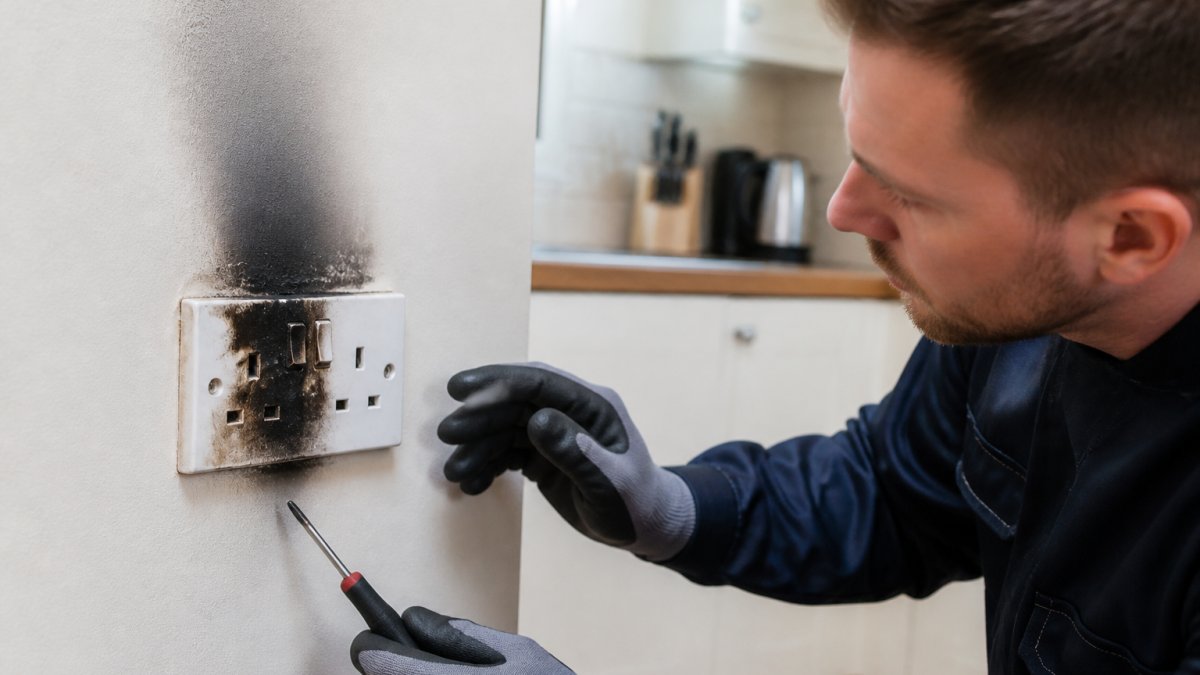
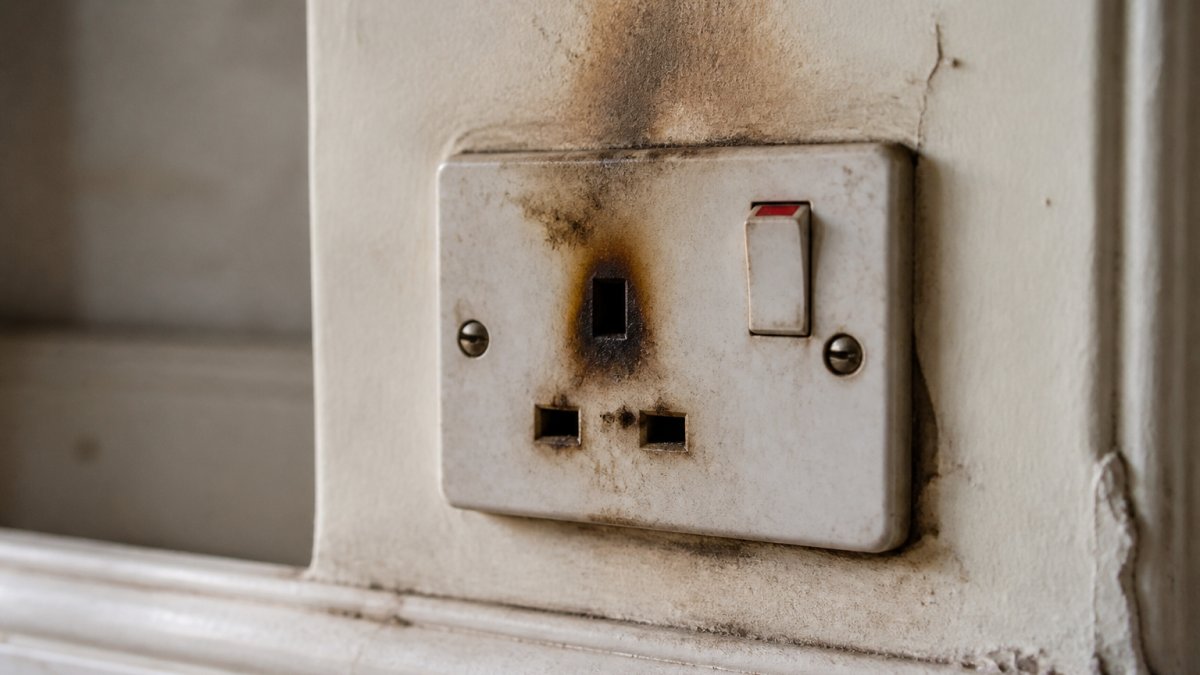
Burning smells near sockets or the consumer unit demand immediate attention. Never ignore this. Turn off the electrics at the main switch and call an electrician straight away.
Sockets that feel warm to the touch, sparking when you plug things in, or sockets that no longer grip plugs properly all indicate deterioration. Old wiring becomes brittle. Insulation cracks.
Frequent blown fuses or tripped circuit breakers suggest your system is overloaded or faulty. Modern homes demand more electricity than homes built in the 1960s or 1970s.
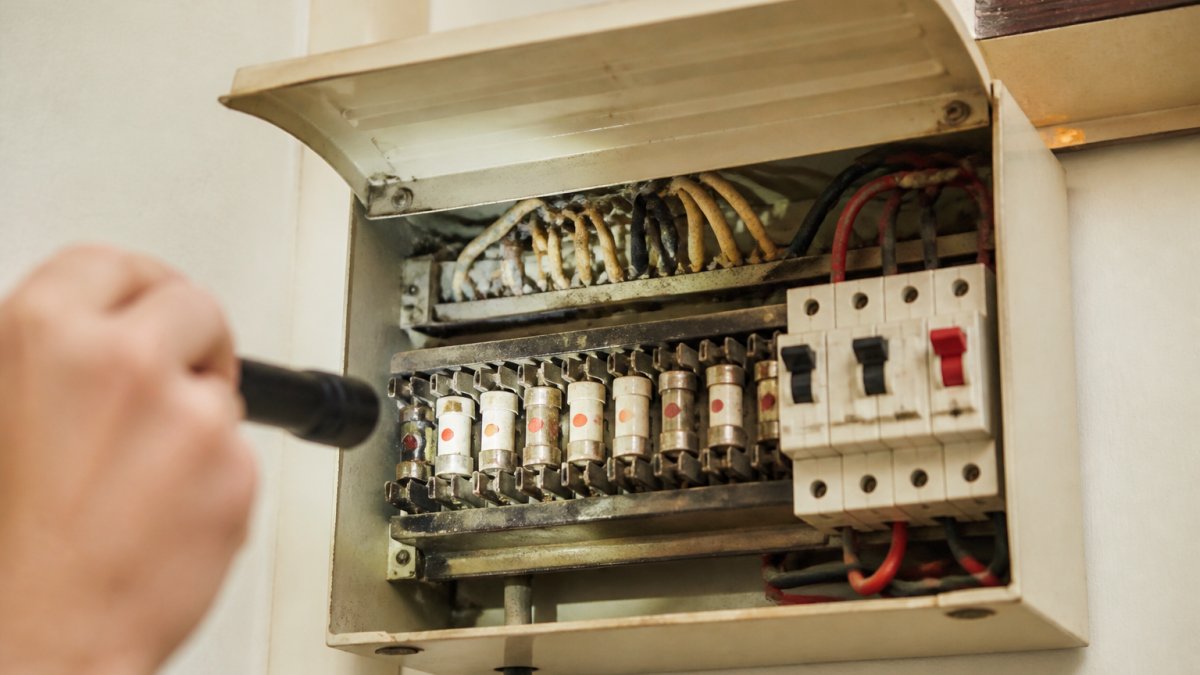
Outdated fuse boxes instead of modern consumer units are a red flag. Properties with round pin sockets throughout almost certainly need rewiring. These are genuinely unsafe by today's standards.
If your property is over 40 years old and has never been rewired, assume it needs work. Wiring degrades over time. Insulation becomes brittle.
What Is Included in a House Rewire
A proper full house rewire cost covers far more than simply replacing cables. Understanding what's actually involved helps you appreciate why the work takes time and why cutting corners creates serious problems.
The rewire starts with a complete survey. Your electrician assesses the existing system, identifies hazards, and plans the new installation. They determine how many circuits you need based on your home's layout and your electrical requirements.
The consumer unit gets replaced with a modern one. This is the main control panel where all circuits originate. Modern units have better safety features, including RCD protection that cuts power instantly if there's a fault.
All internal cabling is removed and replaced. This is the most labour-intensive part. Cables run through walls, under floorboards, and above ceilings. Old cables come out, new ones go in. This often requires chasing walls (cutting channels) or lifting floorboards.
New sockets, switches, and light fittings are installed throughout. The number and location depend on your needs. Modern standards require more sockets than older homes had.
What a full house rewire includes:
- Complete electrical survey and assessment
- Consumer unit replacement and upgrade
- All internal cabling replaced to current standards
- New sockets, switches, and light fittings
- Earthing and bonding upgrades
- Full testing and certification
- Building control approval
Testing is critical. Your electrician runs comprehensive tests on every circuit, checking for faults, earth continuity, and insulation resistance. Only after passing these tests does the installation receive certification.
Building control inspection follows. An independent inspector verifies the work meets Building Standards. You receive a completion certificate proving the work is safe and compliant.
How Long Does It Take to Rewire a House
The duration of a full house rewire cost project depends on property size and complexity, but most homeowners want a realistic timeframe before work starts.
A 3-bedroom house typically takes a number of working days. Smaller properties might finish faster. Larger homes or properties with complicated layouts can take longer. Listed buildings or properties with solid stone walls often take longer because accessing existing cable routes is harder.
Several factors extend the timeline. If your property has cavity walls, work proceeds faster than with solid stone walls. Floorboards that lift easily speed things up. If walls need chasing (cutting channels for cables) throughout, add time.
The work happens in phases. Day one involves disconnecting the old system safely and beginning cable removal. Middle days focus on installing new cables, sockets, and switches. Final days involve testing, remedial work, and certification.
Your electrician will plan the work to minimise disruption. They'll typically work during standard hours, though some aspects might require evening or weekend work to avoid leaving you without power for extended periods.
Weather rarely affects indoor rewiring work, but access issues might. If scaffolding is needed for external work, weather delays are possible.
Typical rewiring timeline:
- Survey and planning: 1-2 days before work starts
- Cable removal and new installation: 3-7 days
- Testing and certification: 1-2 days
- Building control inspection: typically within 1-2 weeks
Rushing the work creates problems. A proper rewire cannot be hurried without sacrificing quality. Choose a contractor who prioritises doing the job properly over finishing quickly.
Living in Your Home During Rewiring Work
The question of whether you can stay in your home during rewiring work concerns most homeowners. The short answer is yes, but with important caveats about disruption and safety.
Your electrician will plan the work to maintain power to essential areas whenever possible. They won't leave you completely without electricity. However, expect periods with no power in specific rooms or circuits as work progresses.
Disruption is real. Rewiring involves opening walls, lifting floorboards, and drilling through ceilings. Dust is inevitable. Noise happens during working hours. Your home becomes a building site for the duration.
Safety matters most. Your electrician must ensure the work site is secure. Never allow children or pets into areas where work is happening. Exposed wiring and open walls present genuine hazards.
Power disruption requires planning. You might lose electricity to certain rooms for several hours or a full day. Arrange your schedule accordingly. Avoid booking important video calls or activities requiring power during work days.
Some contractors can arrange temporary power feeds to keep essential circuits running. This costs extra but maintains comfort during the work.
Managing disruption:
- Plan for noise and dust during working hours
- Arrange alternative accommodation if disruption is severe
- Ensure children and pets stay away from work areas
- Keep important devices charged
- Plan meals around potential power cuts
- Discuss temporary power arrangements with your contractor
Project Rewire coordinates with you to minimise disruption. We plan work sequences to maintain power where possible and warn you in advance of any outages. Our team respects your home and cleans up properly each day.
Getting an Accurate Quote for Your Rewire
Obtaining a reliable quote for a full house rewire cost requires providing your electrician with detailed information about your property and needs.
Never accept a quote based on phone conversation alone. A proper assessment requires an on-site visit.
Prepare for the survey by having answers ready. How many bedrooms and bathrooms does your home have? What's the property age and construction type?
Be honest about access difficulties. If you have a solid stone construction, narrow hallways, or difficult loft access, mention it. These factors genuinely affect the work scope and timeline.
Ask the electrician to explain what's included in their quote. Does it cover the consumer unit replacement? Building control fees? Testing and certification? Disposal of old materials?
Request everything in writing. A written quote protects both you and the contractor. It should specify exactly what work is included, the timeline, payment terms, and any guarantees.
Compare quotes from multiple contractors, but don't choose based on price alone. A suspiciously low quote might indicate corners being cut. Look for NAPIT-approved contractors with proven experience and positive customer feedback.
Questions to ask when getting quotes:
- What's included in the price?
- How long will the work take?
- What guarantees do you offer?
- Are you NAPIT-approved or equivalent?
- What's your payment schedule?
- How do you handle unexpected problems?
- Will you obtain building control approval?
At Project Rewire, we provide transparent quotes based on thorough property assessment. Our NAPIT approval means you're working with certified professionals.
Rewiring an older property feels daunting when you're facing the full house rewire cost. The investment is significant, but so is the peace of mind.
Frequently Asked Questions
What factors affect the cost of a full house rewire?
Several factors influence full house rewire costs: the property's age and current wiring condition, the number of circuits and outlets required, whether walls need opening to access cables, the complexity of the layout, and any additional work like installing new consumer units or upgrading to meet current safety standards. Older properties with original wiring often require more extensive work. Costs also vary depending on local labour rates and material availability. Getting a detailed survey helps identify exactly what work is needed.
How long does it take to rewire a house?
A full house rewire typically takes a number of weeks, depending on the property size and complexity. Smaller properties or straightforward jobs may complete faster, whilst older homes with difficult-to-access wiring can take longer. The timeline also depends on whether walls need opening, the number of circuits being installed, and any additional work like installing new consumer units or EV chargers. Your electrician should provide a realistic timeframe during the quotation process based on your specific property.
Can you live in a house while it is being rewired?
Yes, you can usually remain in your home during rewiring, though it requires planning. Your electrician will work section by section, isolating parts of the property to maintain some power supply. You may experience temporary power cuts to specific areas whilst work progresses. Disruption includes noise from drilling and tools, dust from opening walls, and restricted access to certain rooms. Discuss arrangements with your electrician beforehand, some may recommend vacating for a few days if the work is particularly disruptive or if you have young children or vulnerable household members.
What does a full house rewire include?
A full house rewire replaces all electrical wiring throughout the property and typically includes: new cabling installed to current safety standards, replacement or upgrade of the consumer unit (fuse box), installation of new circuits for lighting, sockets, and appliances, earthing and bonding systems, and testing and certification of the completed work. Additional work may include installing new sockets and switches, upgrading to modern safety devices like RCDs, and installing dedicated circuits for high-demand appliances. Your electrician will confirm exactly what's included in your quote based on your property's needs.