 listicle
Benefits of Upgrading Your Home Consumer Unit
Table of Contents
- Why Your Consumer Unit Matters for Home Safety
- When to Upgrade a Consumer Unit
- RCD Protection in a Consumer Unit
- Supporting Modern Appliances and EV Chargers
- Consumer Unit Upgrade vs Rewire
- Consumer Unit Upgrade Cost and Value
- Compliance with Safety Standards and Regulations
- Frequently Asked Questions
Last Updated: 23 October 2026
Why Your Consumer Unit Matters for Home Safety
Your consumer unit is the brain of your home's electrical system. It controls power distribution, manages circuits, and protects against electrical faults. When it fails or becomes outdated, your entire home faces risk.
An ageing consumer unit can't handle modern electrical demands, which is why upgrading your home consumer unit is essential for safety. Older units lack the safety features that prevent fires, shocks, and electrocution. They're also incompatible with modern appliances and renewable energy systems. Upgrading your home consumer unit isn't just about convenience, it's about protecting your family and property.
At Project Rewire, we help homeowners across the region replace outdated electrical infrastructure. The difference is immediate: safer circuits, faster response times to faults, and peace of mind that your system meets current safety standards.
When to Upgrade a Consumer Unit
Knowing when to upgrade a consumer unit is crucial. Several warning signs indicate your system needs attention.
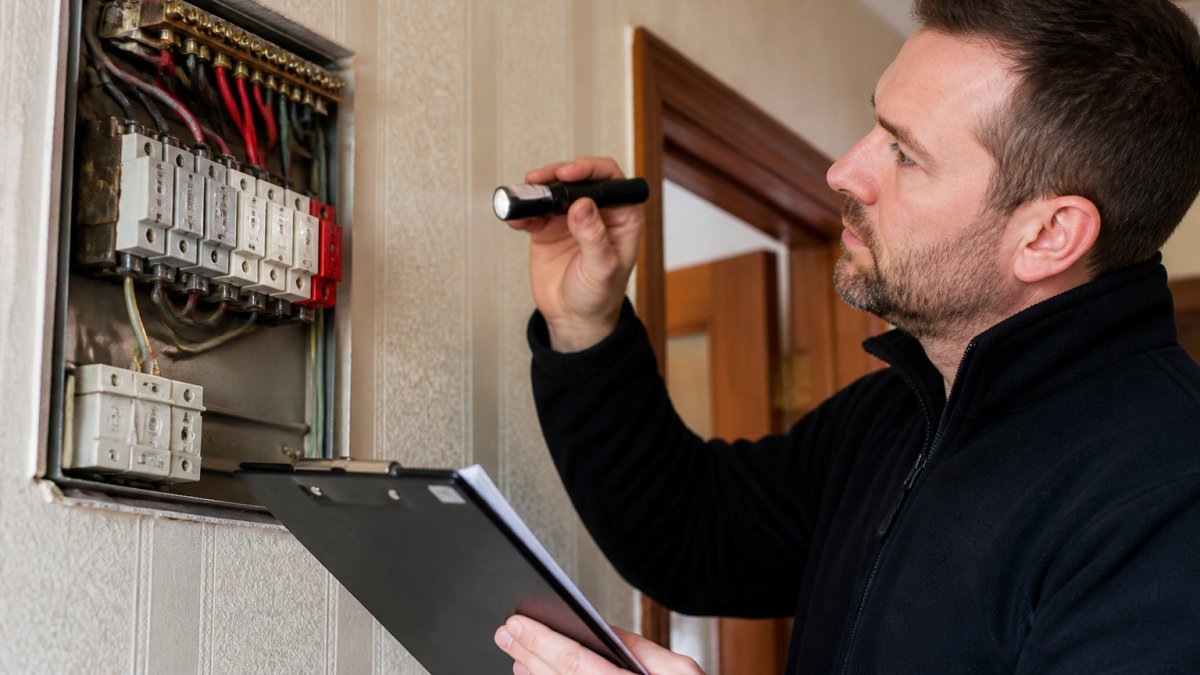
If your home was built before 1990, your consumer unit almost certainly needs upgrading. Older units use rewireable fuses instead of modern circuit breakers. They can't detect earth faults quickly enough to prevent serious injury. If you see ceramic fuses or a patchwork of different circuit types, that's a red flag.
Flickering lights, buzzing sounds, or tripped circuits are common indicators. These suggest your consumer unit is struggling to manage demand. Burning smells near the unit demand immediate attention, this is a fire hazard.
If you're adding new circuits for a kitchen renovation, installing an EV charger, or upgrading heating systems, your existing consumer unit may not have capacity. Modern demands often exceed what older units can safely deliver.
Several warning signs indicate your consumer unit needs upgrading.
| Warning sign | What it means | Action needed |
|---|---|---|
| Home built before 1990 | Uses rewireable fuses, can't detect earth faults quickly | Upgrade almost certainly needed |
| Ceramic fuses or mixed circuit types | Outdated safety features | Consumer unit replacement required |
| Flickering lights or buzzing sounds | Unit struggling to manage demand | Professional assessment recommended |
| Tripped circuits | Capacity exceeded or fault present | Upgrade may be necessary |
| Burning smells near unit | Fire hazard | Immediate attention required |
| Adding EV charger or heat pump | Existing unit lacks capacity | Upgrade needed for safety |
RCD Protection in a Consumer Unit
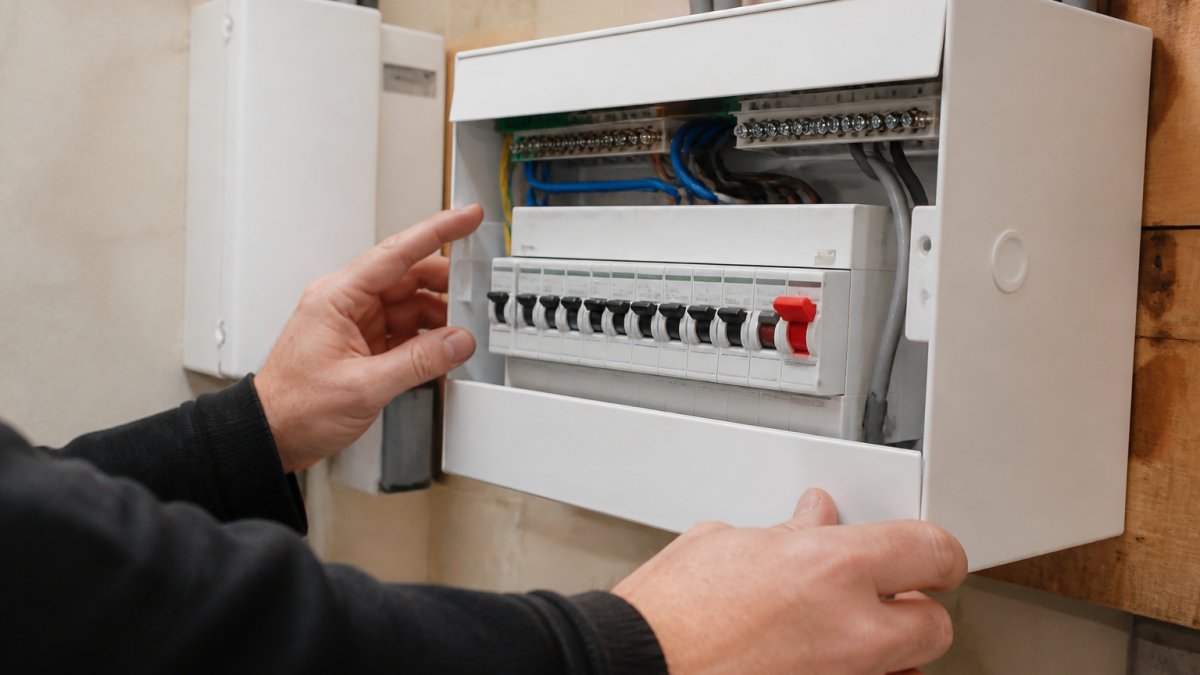
Residual Current Devices (RCDs) are the most important safety feature in a modern consumer unit. They detect earth faults and cut power in milliseconds, fast enough to prevent fatal shocks.
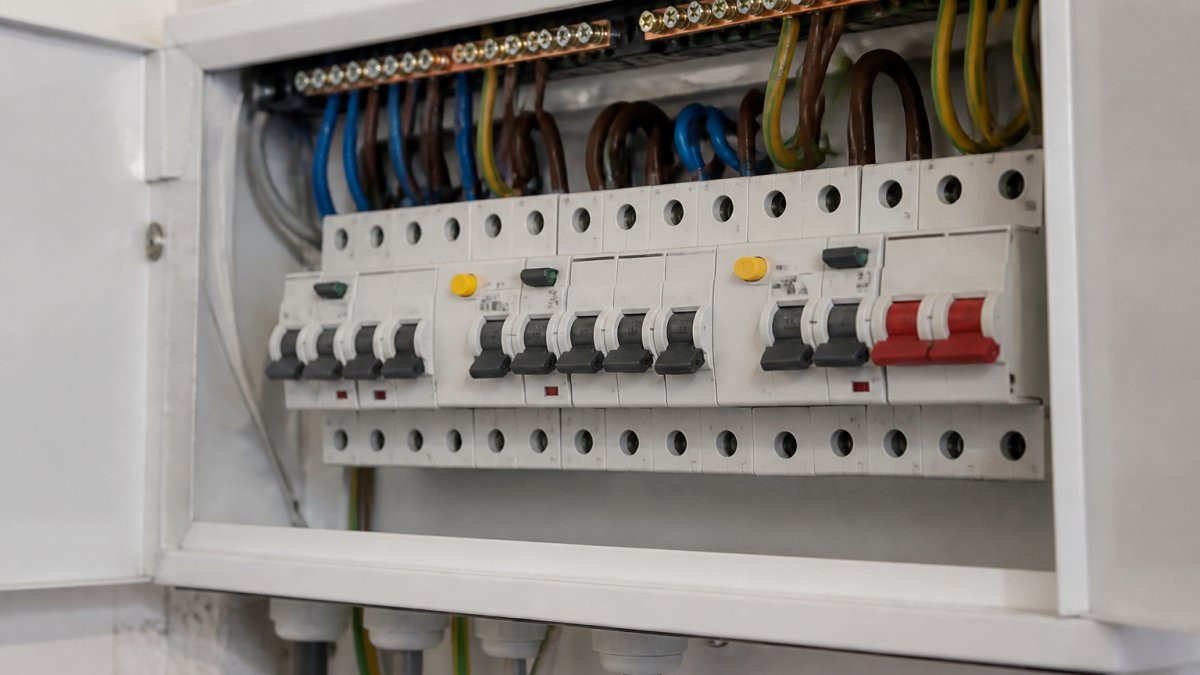
An RCD constantly monitors the flow of current through circuits. If it detects an imbalance, which indicates current leaking to earth, often through a person, it trips instantly. This happens in around 30 milliseconds, which is quick enough to prevent serious injury.
Older consumer units often lack RCDs entirely. Those that do have them typically protect only certain circuits, leaving others unprotected. Modern installations require RCD protection on all circuits, with main switch RCD backup for the entire unit.
There are different types: 100mA RCDs protect against fire risk, while 30mA RCDs protect against shock hazard. A properly upgraded consumer unit includes both layers of protection.
Supporting Modern Appliances and EV Chargers
Modern homes demand far more electrical capacity than homes built 30 years ago. Older consumer units were designed for basic lighting, heating, and a few appliances. Today's homes include electric cookers, heat pumps, electric showers, and increasingly, electric vehicle chargers.
An EV charger alone can draw 7-11kW continuously during charging. Add a modern heat pump (3-5kW) and an electric cooker (7-9kW), and your system is working at full capacity. Older consumer units simply can't handle this simultaneous demand.
Upgrading your home consumer unit gives you the capacity to support these systems safely. A modern unit with higher amperage rating (typically 100-125A for residential homes) handles peak demand without strain. This is essential if you're planning any major appliance upgrades.
You can explore professional electrical upgrades to understand how modernising your system supports both current and future technology needs. For those specifically interested in EV infrastructure, detailed guidance on home EV charger installation explains how your consumer unit upgrade integrates with charging setup.
Consumer Unit Upgrade vs Rewire
Understanding the difference between upgrading your home consumer unit and a full rewire helps you make the right decision for your property.
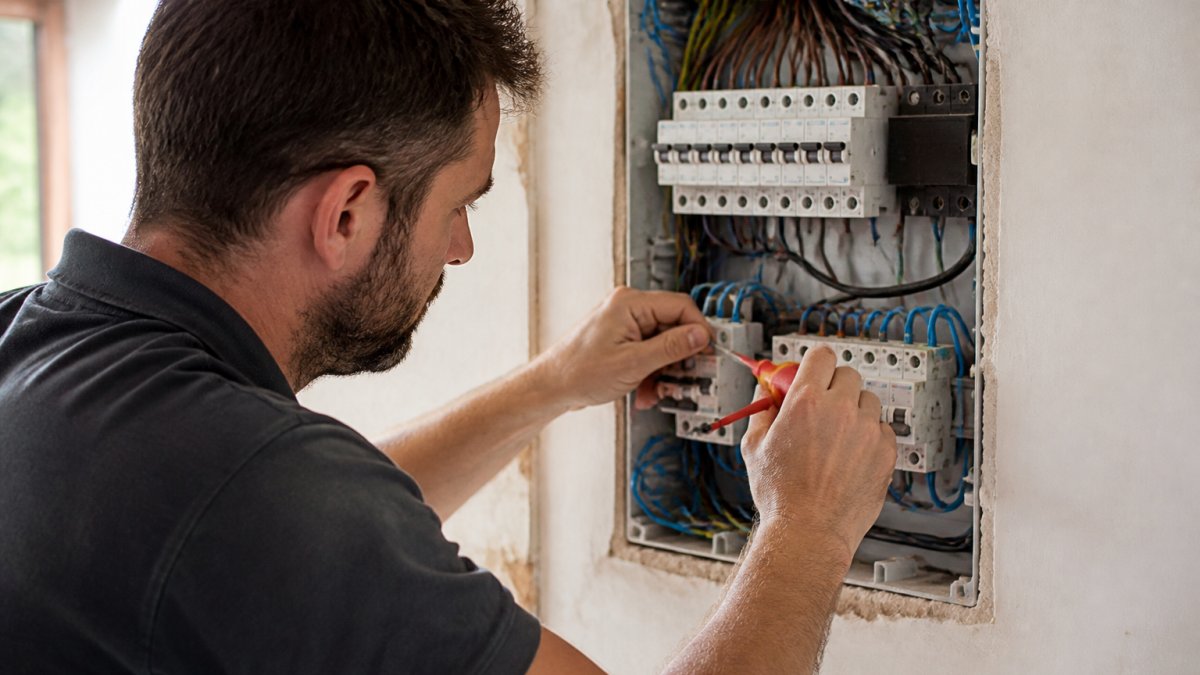
A consumer unit upgrade replaces the main switchboard and its protective devices. It's faster and less disruptive than a full rewire. If your existing wiring is in good condition and meets safety standards, an upgrade alone may be sufficient. This typically takes 1-2 days.
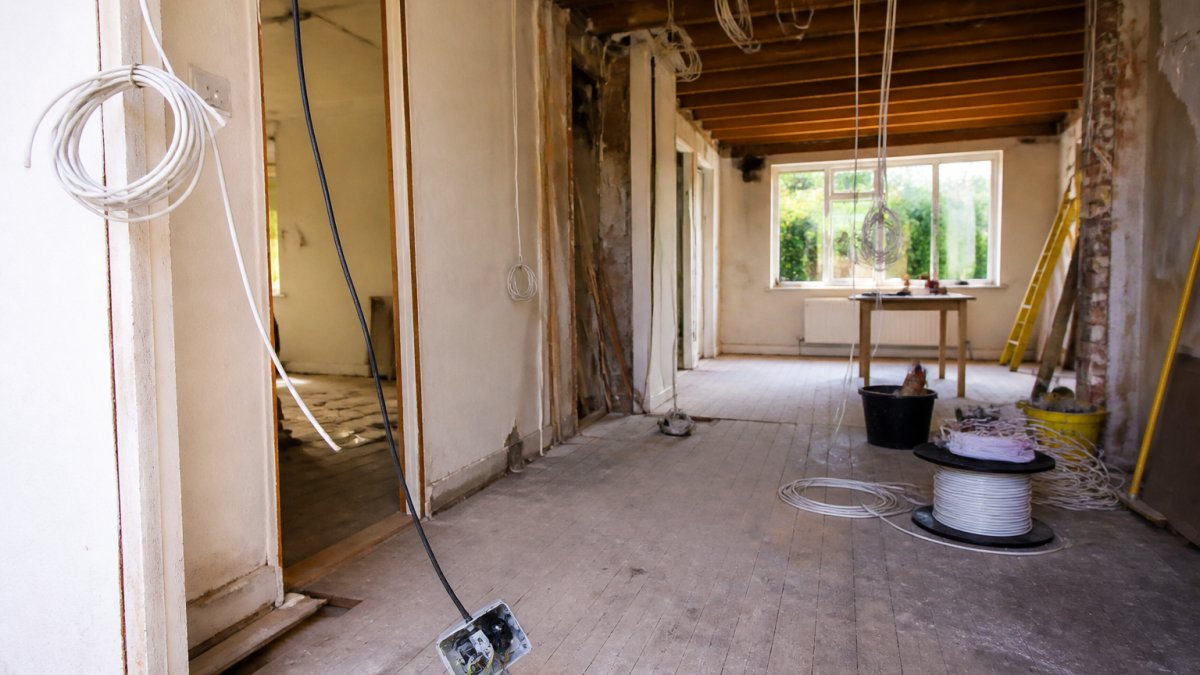
A full rewire replaces all the cabling throughout your home, along with the consumer unit. It's necessary when existing wiring is damaged, outdated, or unsafe. Rewiring is more disruptive because it involves accessing walls, ceilings, and floor voids. It takes longer and costs more but delivers a completely modernised system.
Many homeowners discover they need both. An older property with original 1960s wiring often requires a rewire for safety compliance. Simply upgrading the consumer unit won't address corroded cables or insulation breakdown inside walls.
You can compare the scope and costs of both approaches by reading about full house rewire costs and timescales to understand which option suits your situation.
Consumer Unit Upgrade Cost and Value
The cost of upgrading your home consumer unit depends on several factors: your current setup, the complexity of your installation, and any additional work required.
Many homeowners worry about expense. But consider the value: a modern consumer unit protects your investment in appliances, prevents costly emergency repairs from electrical failures, and increases property value, as buyers expect modern electrical infrastructure.
Rather than estimating costs, the best approach is to get a professional assessment. Every property is different. Your electrician will evaluate your current unit, check your wiring condition, and recommend the scope of work needed. This determines your actual cost.
Project Rewire can provide a detailed quote based on your specific situation. We'll explain exactly what work is needed and why, so you understand the value of each component.
Compliance with Safety Standards and Regulations
Your consumer unit must comply with current safety standards. In the UK, this means meeting BS 7671 and the Building Regulations for electrical safety.
The most important compliance check is an Electrical Installation Condition Report (EICR). This inspection verifies that your system meets safety standards. If you're a landlord, an EICR is legally required every 5 years for rental properties (Electrical safety standards in the private and social rented sectors: guidance). Homeowners aren't legally required to have one, but it's strongly recommended, especially before selling or if you experience electrical issues.
An outdated consumer unit typically fails EICR inspection, and upgrading home consumer unit is the only solution to meet current standards. The report will identify specific hazards, usually lack of RCD protection, inadequate earthing, or overloaded circuits. The only solution is upgrading your home consumer unit to meet current standards.
Understanding the inspection process helps you prepare. Learn more about how long an EICR takes and what to expect so you know the timeline for compliance verification.
Modern standards exist because they prevent fires, shocks, and electrocution. Upgrading isn't bureaucratic red tape, it's the difference between a safe home and a risky one.
Electrical safety isn't something to delay. Outdated consumer units fail quietly until something goes catastrophically wrong. The best time to upgrade is before you experience a fault, not after.
Project Rewire specialises in consumer unit upgrades for homes across the region. Our NAPIT-approved team handles the entire process: assessment, upgrade, testing, and certification. We provide a 10-year guarantee on all rewiring jobs, so you can trust the installation will perform reliably for years to come. Get a quote and let us assess your system's current condition.
Frequently Asked Questions
What are the main benefits of upgrading a consumer unit?
Upgrading your home consumer unit provides several critical advantages: enhanced electrical safety through modern RCD protection, the ability to support contemporary appliances and EV chargers, compliance with current safety regulations, and reduced risk of electrical fires or faults. Older units lack the protective devices required by modern standards, leaving your home vulnerable. A new consumer unit distributes power safely, prevents overloads, and includes automatic shutdown features that protect you and your family.
When should I upgrade my home consumer unit?
You should consider upgrading if your consumer unit is over 25 years old, uses rewireable fuses instead of modern circuit breakers, shows signs of damage or corrosion, or frequently trips circuits. If you're installing an EV charger, adding significant electrical load through renovations, or your property is due for an EICR (Electrical Installation Condition Report), an upgrade is essential. Properties with flickering lights, faulty sockets, or burning smells near the consumer unit require immediate professional assessment and likely replacement.
Does upgrading a consumer unit add value to my home?
Yes. A modern, compliant consumer unit increases your property's value and appeal to buyers or tenants. It demonstrates that the electrical system meets current safety standards, eliminating a major concern for purchasers. An EICR certificate confirming the upgrade further enhances property value. Landlords particularly benefit, as upgrades ensure rental properties meet legal safety requirements and make properties more attractive to tenants.
What is the difference between a consumer unit upgrade and a full rewire?
A consumer unit upgrade replaces only the main switchboard and distribution board, addressing the control point of your electrical system. A full rewire replaces all wiring throughout the property. You may need only a consumer unit upgrade if your existing wiring is sound but the unit is outdated. However, if wiring is deteriorated, damaged, or insufficient for modern demands, a full rewire becomes necessary. A qualified electrician can assess which approach suits your property.