 how-to
Emergency Electrician for Faulty Sockets: When to Call
Table of Contents
- Why Faulty Sockets Demand Immediate Action
- Socket Sparking: What to Do Right Now
- When Your Socket Keeps Tripping the Electrics
- Emergency Electrician Response Time: What to Expect
- Making an Emergency Electrician Call-Out
- Safety Steps While You Wait for Help
- Preventing Future Socket Emergencies
- Frequently Asked Questions
Last Updated: October 16, 2026
Why Faulty Sockets Demand Immediate Action
A faulty socket isn't a minor inconvenience. It's a fire hazard that can damage your home and endanger your family. When an emergency electrician for faulty sockets becomes necessary, delay increases risk exponentially.
At Project Rewire, we respond to socket emergencies because they escalate quickly. A socket that sparks today can cause an electrical fire tomorrow. The British Standards Institution and electrical safety regulations classify faulty sockets as urgent because they create both shock and fire hazards. Your home's wiring is designed to handle specific loads, when a socket fails, it loses the ability to protect that circuit properly.
Most homeowners wait too long. They notice a problem, assume it's minor, and postpone calling for help. By the time an emergency electrician for faulty sockets arrives, the damage has often spread beyond the socket itself. The fault may have damaged the wiring behind the wall or weakened connections deeper in your electrical system.
Socket Sparking: What to Do Right Now
If your socket is sparking, your immediate action determines whether this remains a contained problem or becomes a house fire. Stop using the socket instantly. Do not attempt to unplug anything from it or investigate the damage yourself.
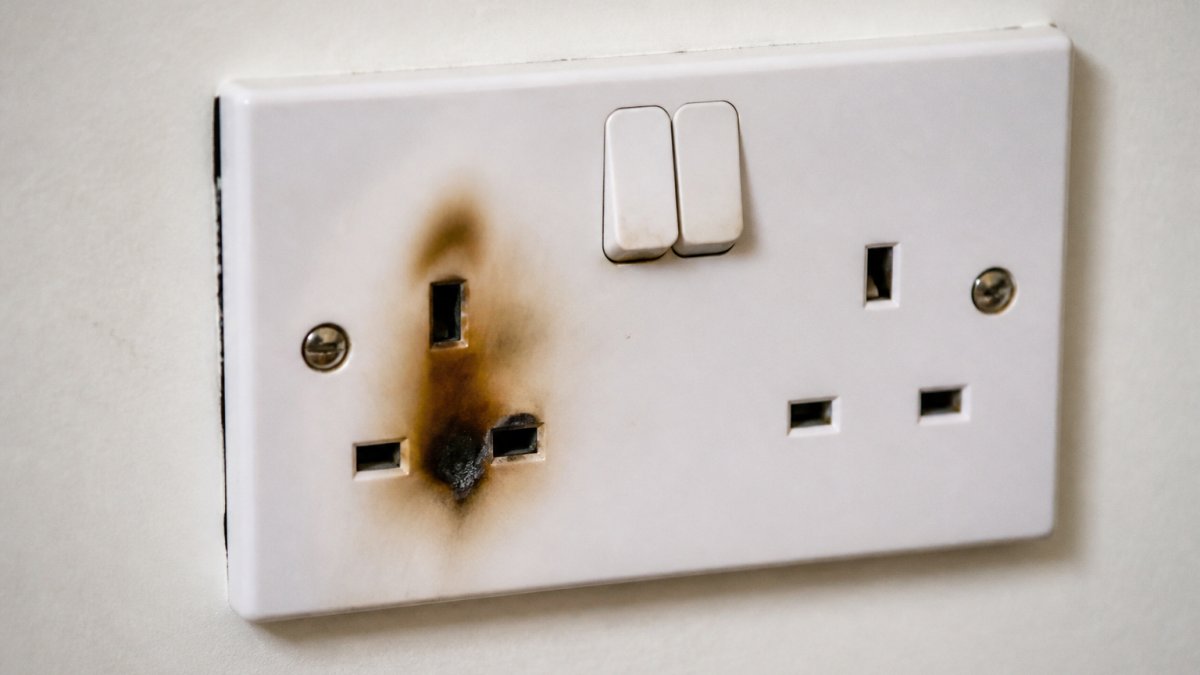
Switch off the circuit breaker controlling that socket. If you don't know which breaker it is, switch off the main supply to your home. This removes power from the circuit and stops the sparking immediately. Sparking indicates arcing, electricity jumping across a gap where it shouldn't. This generates extreme heat and ignites nearby materials.
Open windows to allow any smoke to escape. Keep people and pets away from the affected area. Do not touch the socket or attempt to remove anything stuck inside it. Do not pour water on it or use a fire extinguisher on an electrical fire, use a dry powder or CO2 extinguisher if one is available, but evacuation is safer.
Call an emergency electrician for faulty sockets right away. Project Rewire operates emergency response services because socket fires develop within minutes. When you call, describe what you saw: sparks, smoke, burning smell, or visible damage. This information helps us prioritise your case and bring the right equipment.
When Your Socket Keeps Tripping the Electrics
A socket that repeatedly trips your electrics signals a serious fault. This is your home's safety system working correctly, the circuit breaker detects a dangerous condition and cuts power to prevent fire or shock. However, repeated tripping means the underlying problem is getting worse, not better.
Tripping happens when a socket develops a fault that increases current flow beyond safe limits. Your circuit breaker senses this and switches off automatically. If you reset it and the same socket trips again within hours or days, the fault is persistent. Each time it trips, the socket's internal components degrade further.
Do not keep resetting the breaker hoping the problem resolves itself. This approach leaves the faulty socket live between resets, creating windows where a fire can start. Instead, switch off the breaker controlling that socket and leave it off until an emergency electrician for faulty sockets inspects it.
Common causes of repeated tripping include moisture inside the socket, worn internal contacts, overloaded circuits, or damaged wiring. Some of these faults are repairable, the socket can be replaced safely. Others indicate deeper wiring damage that requires investigation and rewiring.
Project Rewire assesses these situations by testing the circuit and examining the socket's condition. We identify whether the problem is isolated to the socket or extends into your home's wiring. This determines whether a simple replacement suffices or whether broader electrical work is needed.
Emergency Electrician Response Time: What to Expect
When you call an emergency electrician for faulty sockets, response time depends on demand and your location. During peak hours or severe weather, waits can extend. However, electrical emergencies take priority over routine work.
When you call, provide your postcode and describe the fault clearly. This helps us dispatch the nearest available engineer and prepare for what they'll find.
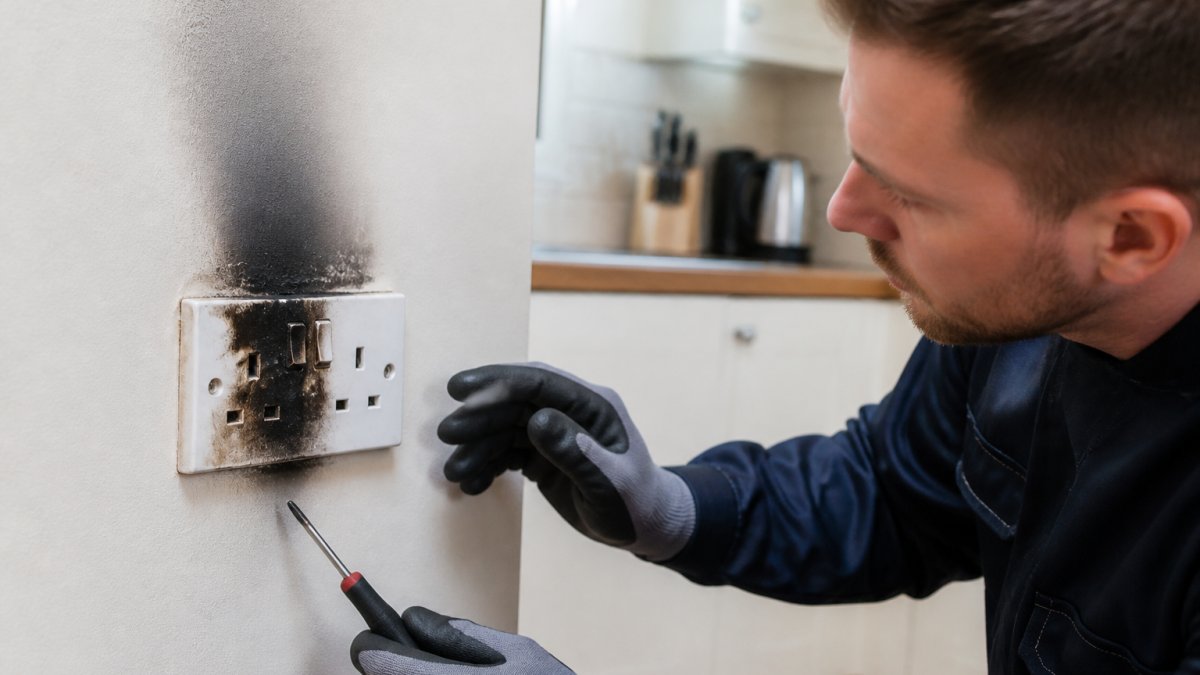
Expect the electrician to arrive with diagnostic equipment and replacement sockets. The first step is always isolation, ensuring the faulty socket is completely de-energised. Then they'll inspect the socket itself, test the circuit, and examine the wiring connections. This assessment determines what work is needed.
A simple socket replacement takes 30-45 minutes. If the fault extends into wiring, the job takes longer and may require additional visits. The electrician will explain what they've found and what repairs are necessary before proceeding. You won't face surprise costs, the diagnosis comes first.
Making an Emergency Electrician Call-Out
When you contact an emergency electrician for faulty sockets, have specific information ready. Describe exactly what happened: Did the socket spark? Did it trip the electrics? Is there a burning smell? Is the socket warm to the touch? These details help the electrician prepare mentally and physically.
Provide your address and postcode. Mention any relevant context, is the property old with original wiring, or recently renovated? Are other sockets on the same circuit also showing problems? Have you noticed any other electrical issues recently? This background helps the electrician understand your home's electrical condition.
Ask about the call-out charge upfront. Emergency work typically costs more than standard repairs because it requires immediate dispatch and out-of-hours availability.
Confirm the response time estimate and ask what you should do while waiting. In most cases, isolate the faulty socket by switching off its circuit breaker and keep people away from the area. Do not attempt any temporary fixes or repairs yourself. Electrical work requires proper training and certification.
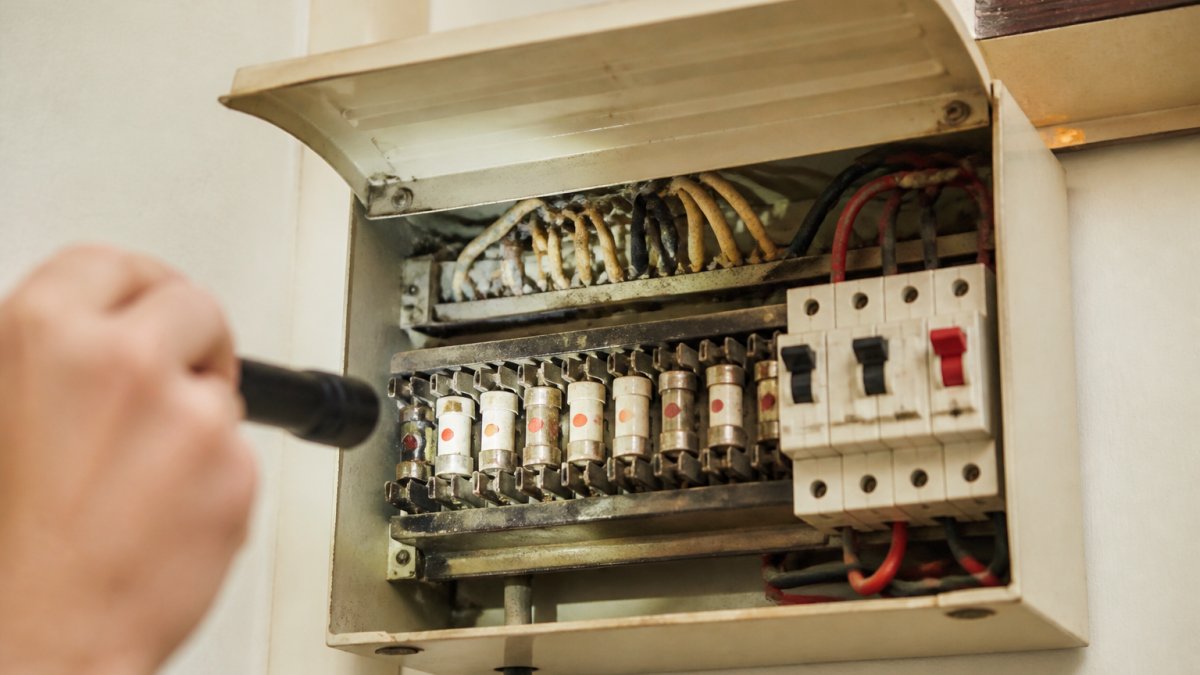
When the electrician arrives, be present to show them the problem and provide access to your electrics. They'll need to see your consumer unit to isolate circuits and may need to access the wall space around the socket to inspect wiring. Clear the area and ensure good lighting so they can work safely and efficiently.
Safety Steps While You Wait for Help
After isolating the faulty socket, your priority is preventing any risk while waiting for the emergency electrician for faulty sockets to arrive. Keep the circuit breaker controlling that socket switched off. If you're unsure which breaker it is, switch off the main supply instead. This is inconvenient but safe.
Do not attempt to repair or investigate the socket yourself. Electrical faults are invisible, you cannot tell by looking whether a socket is safe to touch. Even with the breaker off, certain conditions can make the socket dangerous. Leave the diagnosis and repair to a qualified electrician.
If there's visible smoke or a strong burning smell, evacuate your home immediately. Call the fire service if you suspect an active fire. Electrical fires can spread rapidly and produce toxic smoke. Do not re-enter the property until the fire service confirms it's safe.
Keep people and pets away from the affected socket. If children are in the home, explain that the socket is dangerous and off-limits. Do not let them play near it or attempt to look inside it. Even with the power off, curiosity can lead to injury.
Ensure good ventilation in the affected room. Open windows to allow any smoke or fumes to escape. If the burning smell is strong throughout your home, consider leaving until the electrician has assessed and repaired the fault. Smoke inhalation is a health risk, particularly for children and elderly relatives.
Document what happened. Note the date, time, and what you observed, sparking, tripping, burning smell, visible damage. Take photos of the socket if it's visibly damaged. This record helps the electrician understand the fault's progression and is useful if you need to make an insurance claim.
Preventing Future Socket Emergencies
Once an emergency electrician for faulty sockets has repaired the immediate problem, focus on preventing recurrence. Most socket failures result from age, moisture, overloading, or physical damage. Understanding these causes helps you protect your home.
Age is the primary cause in older properties. Sockets installed 20 or 30 years ago degrade as internal contacts wear and insulation deteriorates. If your home has original wiring from the 1960s or 1970s, socket failures are likely to recur unless you address the underlying electrical system. A full rewire eliminates this risk permanently.
Moisture damages sockets quickly. Kitchens, bathrooms, and outdoor areas expose sockets to humidity and water splash. Install sockets with moisture-resistant design in these locations. Consider fitting RCD protection (Residual Current Device) to circuits in wet areas, this cuts power instantly if moisture creates a fault, preventing fire and shock.
Overloading circuits causes sockets to overheat and fail. Plugging multiple high-power devices into one socket or using extension leads with too many appliances creates excessive current flow. Distribute high-power devices across different circuits and avoid daisy-chaining extension leads. This keeps current within safe limits.
Physical damage, loose plugs, bent pins, inserted objects, weakens sockets and creates faults. Teach children not to insert objects into sockets. Use socket covers in homes with young children. Replace damaged sockets immediately rather than continuing to use them.
Project Rewire recommends periodic electrical inspections, particularly in older homes. An electrician tests your circuits, checks socket condition, and identifies faults before they become emergencies. Many insurers require regular inspections for older properties. An EICR (Electrical Installation Condition Report) documents your system's safety and protects you against liability if an electrical fault causes damage.
Consider upgrading your consumer unit if it's old. Modern consumer units include better protection than older designs and make circuit isolation easier during emergencies. This upgrade is particularly valuable if you've experienced multiple socket failures or other electrical problems.
Faulty sockets demand respect and swift action. The moment you notice sparking, repeated tripping, or burning smells, isolate the socket and call an emergency electrician for faulty sockets. Project Rewire responds to these emergencies because we understand the danger, electrical faults don't resolve themselves, and delay increases the risk of fire and injury. Our NAPIT-approved team diagnoses the problem accurately and repairs it properly, not with temporary patches. Get a quote for emergency repairs or a full electrical assessment, and protect your home from future socket emergencies.
Frequently Asked Questions
When should I call an emergency electrician for a faulty socket?
Call immediately if you notice sparking, burning smells, visible scorch marks, or the socket is hot to touch. If a socket keeps tripping your circuit breaker or you cannot safely use appliances in that outlet, contact an emergency electrician without delay. These signs indicate serious electrical faults that pose fire and shock hazards. Do not attempt repairs yourself or continue using the socket.
What should I do if a socket is sparking?
Stop using the socket immediately and switch off power at the circuit breaker if you can do so safely. Do not touch the socket or insert anything into it. Keep children and pets away from the area. Open windows for ventilation if you smell burning. Call an emergency electrician right away, sparking sockets indicate dangerous faults that require professional assessment and repair within hours, not days.
Why does a faulty socket keep tripping the electrics?
A socket that repeatedly trips your circuit breaker signals an electrical fault, typically a fault to earth or short circuit within the socket or wiring. Your circuit breaker is working correctly by cutting power to protect you from electrocution and fire. However, the underlying fault must be diagnosed and repaired by a qualified electrician. Resetting the breaker without fixing the fault leaves you at risk and will not solve the problem.
How quickly can an emergency electrician attend for faulty sockets?
Response times vary by provider and local demand. When you call, ask for the estimated arrival time. For dangerous faults like sparking or burning smells, prioritise getting the socket isolated (switch off at the breaker) while you wait.